Trees in Spring

It’s that time of year when there’s more daylight, the birds are singing, our trees are blossoming and the temperature starts to warm up… spring has burst into life!
What happens to our trees in spring?
In tree terms, spring is a time when sap rises. Sap is liquid that trees use to transport minerals and nutrients up and down from the ground through the tree and right up to the leaves. To explain fully, let's rewind a bit!
Trees that lose their leaves in the winter become dormant until spring to cope with winter. To prepare for this, in autumn they move sugars from the leaves to the roots where they are stored. Over winter, so long as temperatures are below freezing the tree takes on water from the surrounding area and then sleeps and waits.
When the weather starts to warm up, the sap, fuelled by the large amount of stored water starts to rise up the tree, taking the stored sugars from the roots to the branches and twigs where it’s needed to grow its new set of leaves. This rising of sap can carry on for weeks until the water pressure evens out to lower summer levels.
If a tree is pruned or damaged during this time, sap will ooze from the wound and so it’s best not to prune trees in spring. If you see a damaged tree bleeding sap, the best thing is to leave it alone as just like humans it will heal itself and interfering can make things worse.
But what about evergreen trees? Well as they don’t lose their leaves or needles their sap continues to flow through winter.

NATURE SIGHTINGS TO LOOK OUT FOR IN SPRING
There are plenty of nature sightings and urban spring trees to look out for in this energising time of year. Keep a keen eye out whilst on a walk or in your garden or local park and see what’s going on.
The timing may vary locally and yearly, but here are some of the wonderful sights you might discover on your nature walk!
- Bud burst, blooms, and blossom
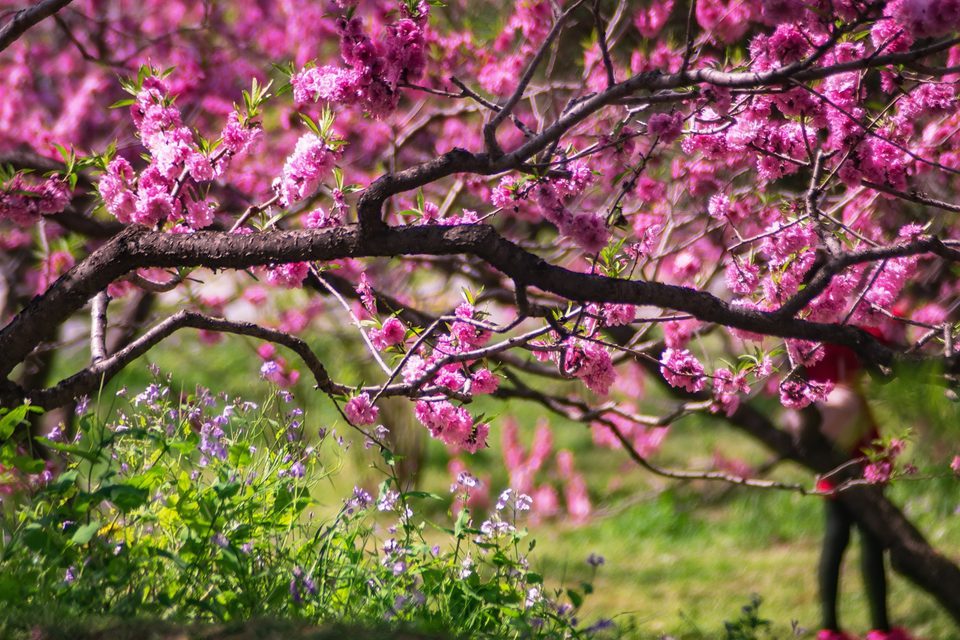
During March and April, we start to see trees like Blackthorn, Goat Willow, Magnolia and Crab Apple blossom and flower. You should also be able to start spotting green buds and new growth on species such as Ash, Beech, Oak and Rowan.
Opening buds on trees are actually a key sign that spring is here and that our trees are no longer dormant. In fact, the buds have been there all winter long protecting the tree from cold temperatures, but once it starts to get warmer they begin to flower and grow new leaves.

- Wild flowers
Spring woodland flowers provide a yearly spectacle in their race to bloom in the short window when it’s mild and before the tree leaves shade the sun out. They include favourites such as bluebells and daisies and lesser known wonders like Town Hall clock (Adoxa moschatellina), its name referring to the four faces of its small greenish flower head.
A fun fact, the UK is home to about half of the world’s bluebell population!
- Here come the insects!
All flowers are vitally important for the insects emerging from hibernation. Hoverflies, butterflies and hibernating bees such as bumblebees and solitary bees will come out at the first sign of warmer weather. A favourite to look out for is the Peacock butterfly (pictured below), one of the earliest butterflies out because they hibernate over winter and come out in spring.
Many plants rely on these insects to pollinate them and yet insect numbers have been crashing. Not only can you keep an eye out for them but plant early flowering insect friendly plants yourself to give them a boost. The sweet nectar hidden among the brightly coloured petals of early spring flowers can be a lifeline for hungry insects.

- Symphony of the birds
Depending on what sort of local habitats you have, there will be various birds migrating during spring. Around 15 million birds make their way from various parts of southern Europe and Africa to take up summer territories, find a mate and raise a family here in the UK.
Birds will be singing more and more loudly and some develop complex songs to attract a mate and keep competitors away from their patch. Now could be a great time to learn bird song to identify specific birds. The RSPB have a comprehensive set of recordings and detailed information for birdsong.
Even without a garden, you could spot a bird picking up twigs and grasses to build their various creations. If you are lucky, you may even see a nest! Remember not to disturb it while it is being used.

Related readings
-

Best places to see urban blossom in the UK
30 March 2026
Looking to enjoy cherry blossom this spring? Check out our ever-growing UK-wide guide on where to see urban blooms.
-

Why do trees blossom?
22 March 2023
One of the most iconic indicators that it's spring in the UK - blossoming trees! They treat us to a beautiful display of soft, indulgent colours and mark the start of the season.
-

Why it’s so important to water young urban trees
16 June 2023
Find out how Trees for Cities is keeping our newly planted trees alive during the summer months through watering - and how you can help out too!
Donate to Trees for Cities and together we can help cities grow into greener, cleaner and healthier places for people to live and work worldwide.
Donate